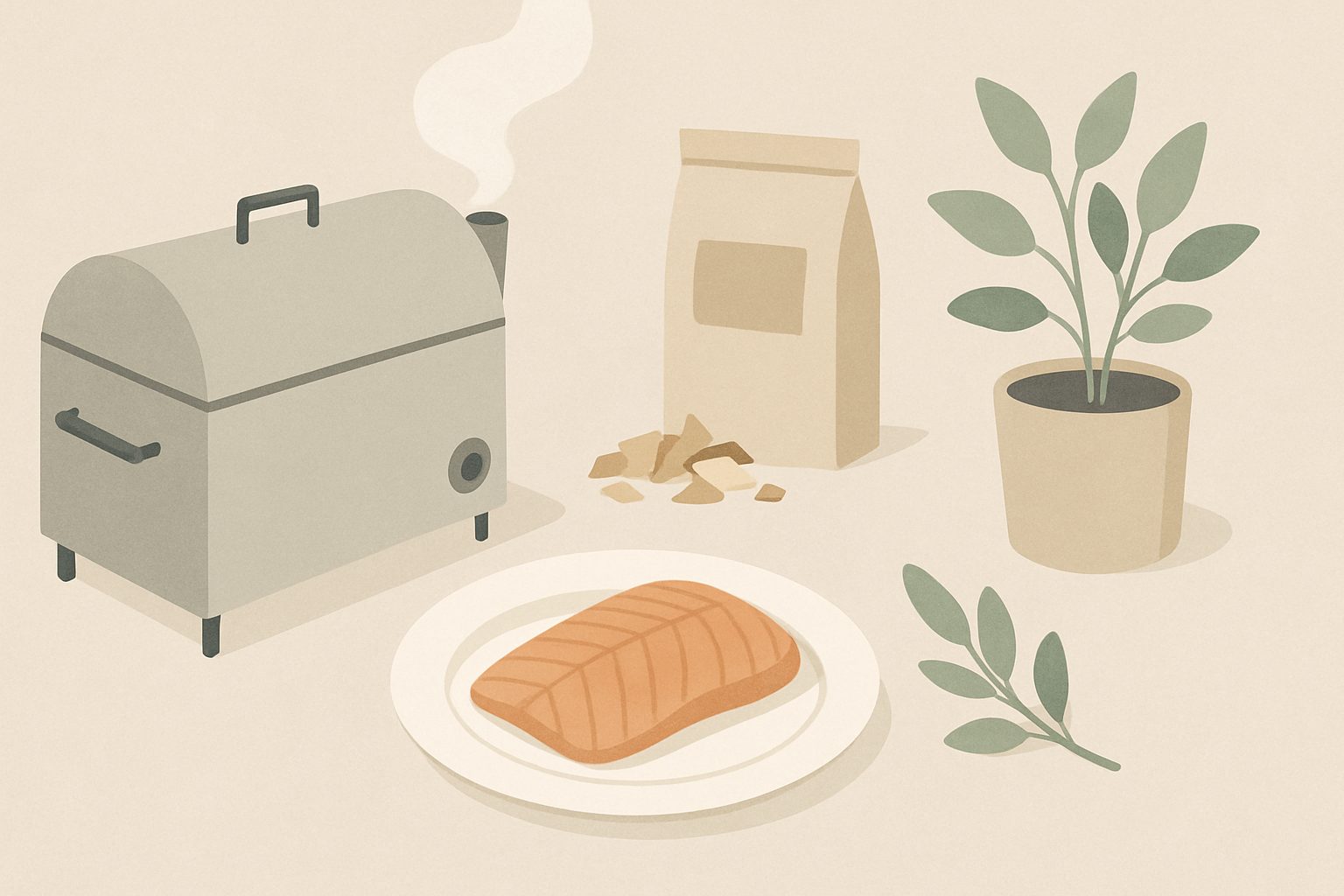
What Wood Chips to Use for Home Smoking UK – A Complete Flavour Guide
Getting started with home smoking is exciting, but one of the first hurdles is figuring out which wood chips to use. The wood you choose makes a massive difference to the final flavour of your meat, fish, or vegetables—sometimes the difference between a genuinely delicious smoked brisket and something that tastes more like burnt wood. The good news is that choosing the right wood chips isn't complicated once you understand the basics.
Why Wood Choice Matters
When wood burns slowly in a smoker, it releases compounds that infuse food with flavour. Different woods contain different resins, oils, and sugars, so oak tastes nothing like apple, and hickory tastes nothing like cherry. Some woods produce heavy, robust flavours; others are delicate and fruity. The strength of the wood also matters—some are so intense they'll overpower your food, whilst others are so subtle they barely register. This is why pairing the right wood with the right meat is essential.
The Main Smoking Woods Available in the UK
Alder is one of the mildest smoking woods and is traditionally used for salmon. It produces a light, subtle smoke with a slightly sweet undertone. If you're new to smoking or cooking delicate foods like fish or poultry, alder is a forgiving choice that rarely goes wrong.
Apple wood burns slowly and produces a sweet, fruity smoke. It's brilliant for pork, duck, and ham, adding a pleasant complexity without overwhelming the meat. Many UK smokers keep apple wood on hand because it's versatile and readily available.
Cherry wood delivers a slightly sweet, fruity flavour with a subtle tartness. It works beautifully with pork, lamb, and poultry. The smoke is medium-weight, so it won't mask the natural flavour of the meat but adds genuine depth.
Hickory is heavier and more assertive than apple or cherry. It produces a strong, slightly sweet, bacon-like flavour. It's the classic choice for beef brisket and works well with ribs, but use it cautiously with lighter meats—it can dominate.
Oak is versatile and pairs well with beef, pork, and lamb. It produces a medium-weight smoke that's clean and slightly peppery. In the UK, oak is less common than apple or cherry, but it's becoming easier to find as home smoking grows in popularity.
Mesquite is intense and is rarely needed for British home smoking. It can easily overpower food and is better left to large barbecue pits. Most UK smokers skip it entirely.
Wood Chips vs. Logs vs. Dust
Chips are small pieces that ignite quickly and produce smoke almost immediately. They're ideal for electric smokers, kettle grills, and compact setups. Dust is extremely fine and can clog airflow, so avoid it unless your smoker is specifically designed for it. If you're using a traditional offset smoker or barrel, you might prefer small logs or chunks, which burn slower and produce smoke for longer periods. For most UK home setups, chips are the most practical choice.
Flavour Pairing Chart
| Meat | Best Woods | Why | |------|-----------|-----| | Fish & seafood | Alder, apple | Mild, fruity smoke complements delicate flesh | | Pork & ham | Apple, cherry, oak | Sweet, medium-weight flavours enhance richness | | Beef & brisket | Hickory, oak | Stronger smoke stands up to robust meat | | Lamb | Cherry, apple | Fruity notes balance gaminess | | Poultry | Apple, cherry, alder | Mild to medium smoke prevents drying out | | Vegetables | Alder, apple, cherry | Lighter woods enhance rather than dominate |
Blending Woods for Custom Flavours
Once you're comfortable with single woods, try blending them. Apple and hickory together give you the sweetness of apple with the assertiveness of hickory—brilliant for ribs. Cherry and oak create a balanced, complex smoke that works across most meats. Start with a 70/30 ratio of your main wood to secondary wood and adjust based on results.
Where to Source Quality Chips in the UK
Several brands dominate the UK market. Angus & Oink produce high-quality chips that are kiln-dried to consistent moisture levels, meaning you get reliable smoke without excessive steam. Their range covers all the main woods, and they're widely available online. Barbecook offers good-value chips with consistent quality—a solid choice if you're smoking regularly and don't want to spend a fortune.
Look for kiln-dried chips rather than fresh wood—fresh wood contains moisture that produces steam instead of clean smoke, which can give your food a bitter taste. Avoid chips that look dusty or compressed, as they won't burn evenly.
Practical Tips for Using Wood Chips
Soak chips in water for 30 minutes before use—this slows the burn and produces more smoke rather than flame. However, if you prefer, you can use dry chips in many modern electric smokers; they'll ignite faster but produce less smoke duration.
Add chips gradually rather than all at once. Using a small handful every 20–30 minutes gives you better control over smoke intensity than dumping a large batch in at the start.
Store chips in a cool, dry place. Moisture is your enemy—dampness encourages mould and spoils the wood's flavour compounds. An airtight container is ideal.
The Bottom Line
Start with apple or cherry wood—they're forgiving, versatile, and readily available. Once you've smoked a few pieces of meat and developed a sense of how smoke behaves in your setup, experiment with hickory for beef, alder for fish, or blends for custom results. The best wood for you depends on what you're cooking, your equipment, and your personal taste. The only way to find your preference is to try it yourself.
More options
- ProQ Cold Smoke Generator (Amazon UK)
- Masterbuilt Electric Smoker Cabinet (Amazon UK)
- Bradley Smoker Original 4-Rack (Amazon UK)
- Angus & Oink Wood Chip Variety Pack (Amazon UK)
- Inkbird Wireless Meat Thermometer (Amazon UK)